Artworks & Artists
Atsuko Yamazaki (Kikai Institute for Coral Reef Sciences)
c_cycle of coral
Exhibition 04
c_cycle of coral
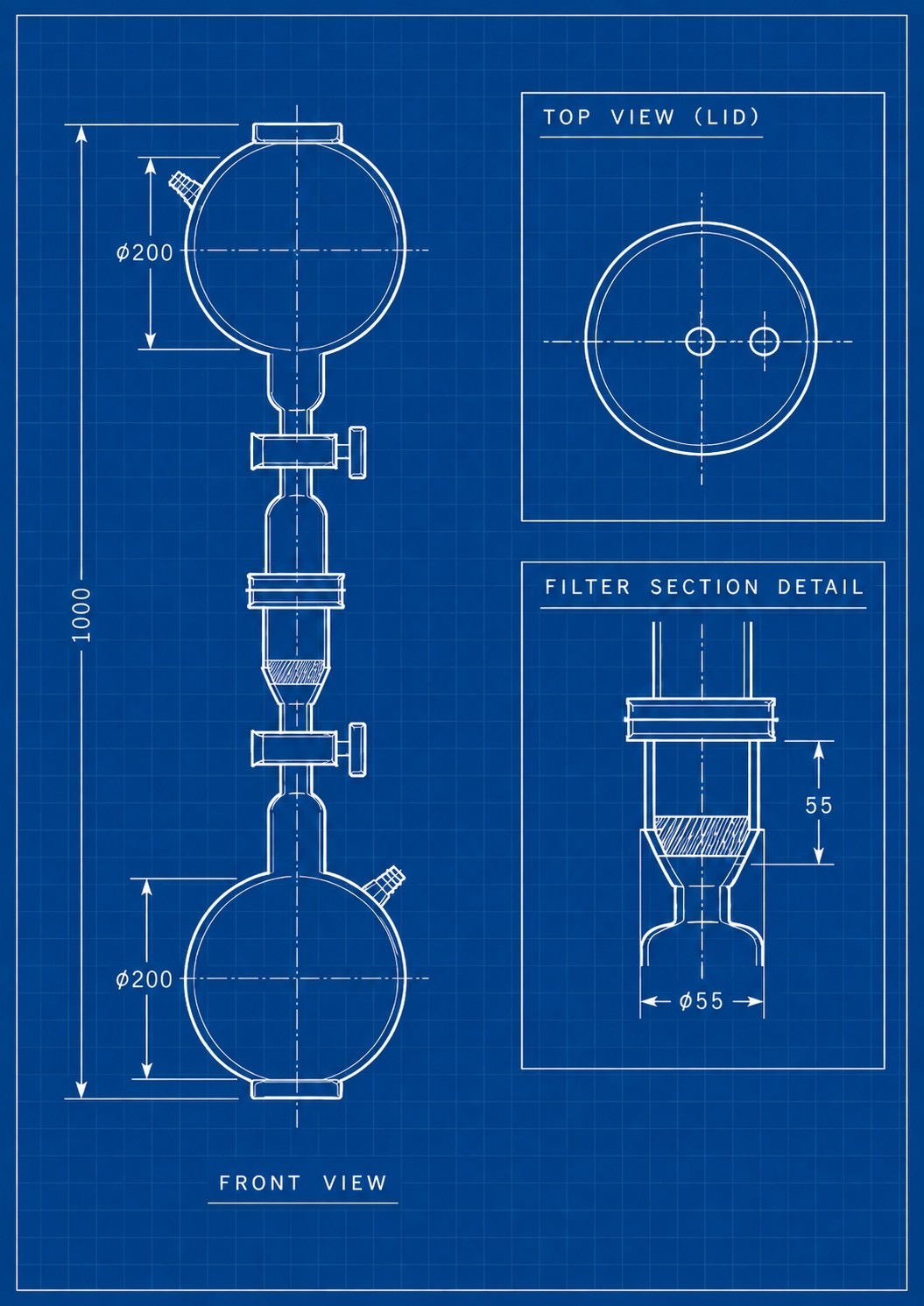
Kinetic Sculpture & Laboratory Exhibition
Kikai Island's coral-formed land dissolves in water, returns to the sea, and becomes coral skeleton again. This cycle is expressed through chemical reactions and the movement of laboratory apparatus in a kinetic sculpture, or moving sculpture.
Carbon changes form and location as it cycles through the atmosphere, land, and coral skeletons. Set within the research institute, the work makes this wider cycle visible and invites reflection on the relationship between our lives and nature.
- Dates and Hours
- October 31 - November 8, 2026
10:00-18:00 (8 hours)
Artist
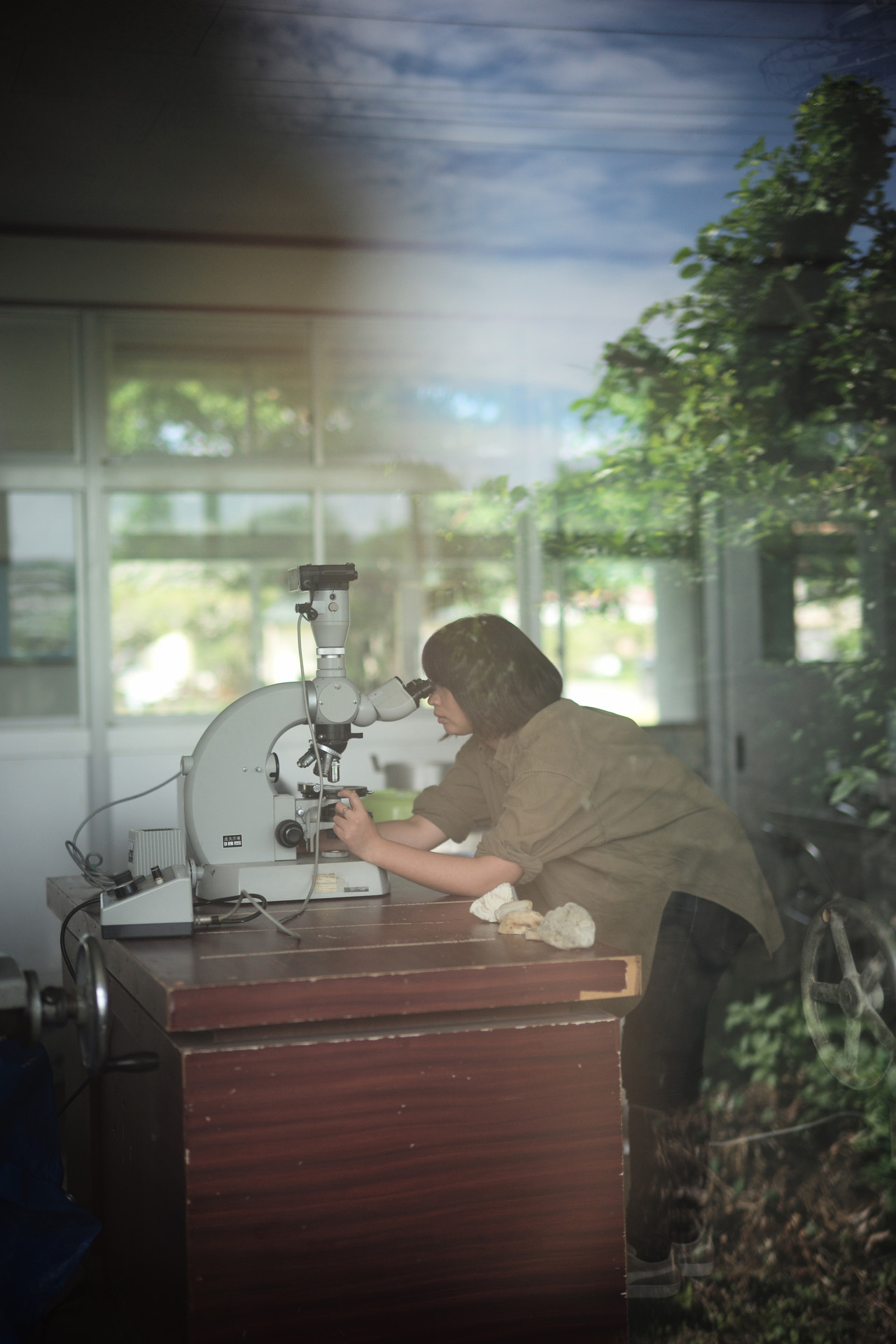
For five years, I have been exploring the integration of science and art as a research theme.
Time spent considering what we call 'art' also gave me time to consider what 'science' is. At times, I wondered whether scientists and artists see the same beauty in the world. When I encountered art's pursuit of beauty, there were moments when it connected with the almost terrifying beauty of nature. As I began to glimpse the boundary between science and art, I felt that I might be able to leap across it.
These are the thoughts that led me to conceive this work.
- I am not an artist.
- I do not have the skills to make art, but I can build experimental apparatus.
- I see nature, including coral reefs, in terms of the cycles of chemical elements.
- There are cycles in nature that I find beautiful.
- Through a work of art (an experimental apparatus), I can share what I find beautiful with viewers.
- A work can reflect my wish for how I would like the world to be.
I will not write a scientific paper about the concept expressed in this work itself. It is subjective; scientifically, it concerns phenomena that are already known and does not advance science. In other words, I realized that a work of art is the only form in which I can leave a record of how I, as an individual living today, see the world.
Yet if the system I create happens to yield a new scientific discovery, it might become a point where science and art join. Perhaps new knowledge will emerge from this shared space. I am excitedly preparing for the exhibition, hoping that such a moment might come as an unexpected bonus.
Atsuko Yamazaki